TownOfSins


 Loading...
Town of Sins feels like a game that trusts you. It drops you into its world without a lecture, without arrows telling you where to go, and without pretending you need everything explained up front. You arrive in this strange town, and from the first minutes you’re already moving, talking to people, noticing small details, and figuring things out the same way the character would — by paying attention.
What really carries the game is the writing. The town doesn’t feel like a backdrop, it feels inhabited. Characters have their own rhythms and attitudes, and conversations don’t feel disposable. What you say tends to stick. Choices don’t vanish after a scene ends, and that gives the whole place a quiet sense of weight, like the town remembers you.
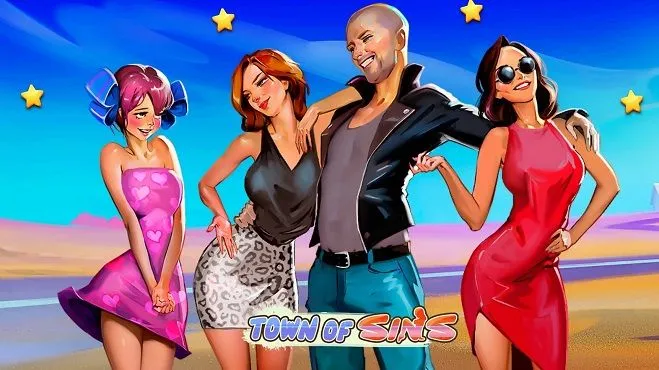
Visually, it knows its limits and works within them. The art isn’t flashy or hyper-realistic, but it’s consistent and fits the mood. Everything is clear, readable, and never distracting. You’re focused on what’s happening, not fighting the interface or mechanics. Progress comes naturally as you explore, not because the game keeps pushing you forward.
The fact that it’s free to play makes trying it feel effortless. You can spend real time with it before deciding if you want anything extra, and nothing essential is locked away. The active community and visible developer presence give it a feeling of being alive, still growing.
Town of Sins is best enjoyed slowly. If you like games that let you wander, make mistakes, and uncover things at your own pace, it has a quiet pull that’s easy to settle into.