Tingo


 Loading...
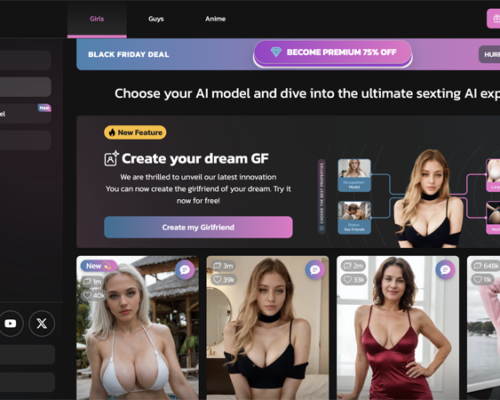
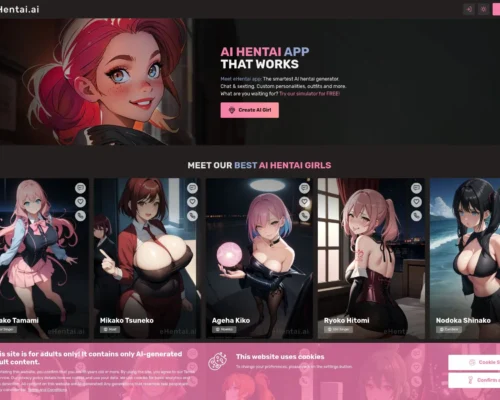
Tingo feels like a place made for people who enjoy making things, not just using them. When you open the site, you’re shown a handful of example characters right away — different looks, different moods, different ways of talking. It’s less of a showcase and more of a quiet invitation: this is what you can do here.
Those presets are useful, but they’re really just a starting point. The real fun begins when you decide to build something of your own. Creating a character doesn’t feel technical or heavy. You choose a visual style — anime, realistic, something more fantasy-leaning — then start shaping how the character behaves. A few personality choices can completely change the tone of a conversation, which makes experimenting surprisingly satisfying.
The visual side is where it’s easy to lose time. Clothing styles, filters, and aesthetic tweaks let you push a character in different directions, sometimes just to see how they look, sometimes to match a story or mood you have in mind. Not every preset lands perfectly, but the freedom to adjust and try again makes that feel like part of the process rather than a flaw.
Using the platform is smooth. Nothing lags, nothing feels buried, and you’re never fighting the interface to get where you want to go. Conversations flow naturally once you’ve set things up, and the character generally behaves in a way that matches the personality you gave it.
Tingo isn’t trying to overwhelm or impress. It feels more like a creative workspace — a place to experiment, tweak, and slowly build something personal. For people who enjoy character design, visual style, and open-ended interaction, it’s easy to see why it can quietly pull you in.