Nudify-AI


 Loading...
Nudify-AI sits in a strange, uncomfortable corner of modern tech. It’s part of a wave of image-generation tools that promise to “reimagine” photos using artificial intelligence, and it gets attention mostly because of what it claims to do rather than how it actually works. At its core, the system isn’t revealing anything real — it’s guessing, filling in blanks based on patterns it has learned. What you get is an invented image, not hidden truth.
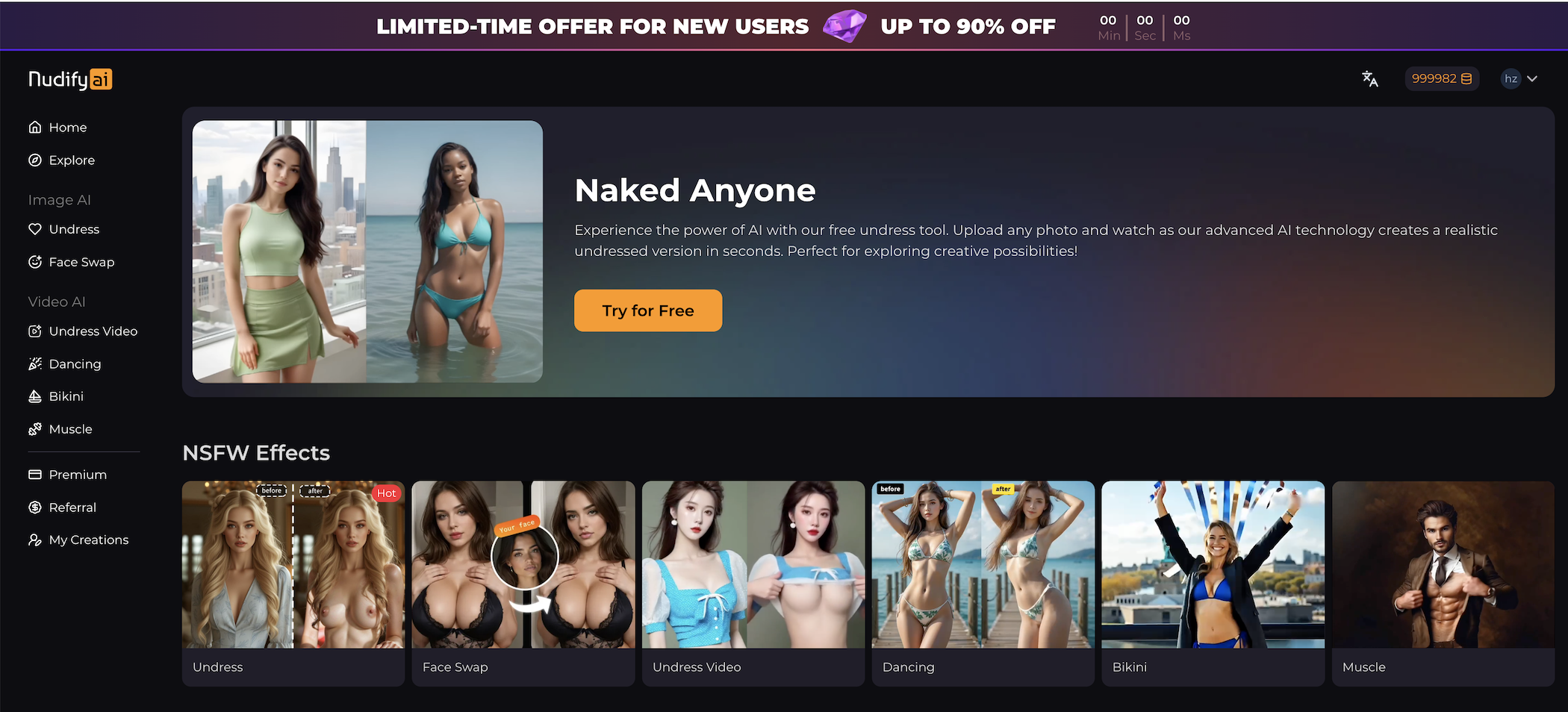
Using the tool feels almost too simple, which is part of why it sparks debate. You give it a photo, wait briefly, and receive a generated result. Sometimes the output looks polished and smooth, other times it’s obviously off — proportions feel wrong, details blur, or the image slips into something clearly artificial. That inconsistency is a reminder that this technology is still rough around the edges, despite how confidently it’s marketed.
Where Nudify-AI really stands out isn’t in accuracy, but in what it represents. It shows how fast generative models are moving, and how easily powerful tools can be placed behind clean interfaces. That ease comes with responsibility. Using AI to alter images of real people without consent crosses ethical lines very quickly, and that risk can’t be ignored.
As a technical curiosity, Nudify-AI is interesting. As a practical tool, it’s limited. More than anything, it’s a sign that AI development needs thoughtful boundaries, not just faster results.