GPTGirlfriend


 Loading...
GPTGirlfriend feels like a toolbox more than a finished product — in a good way. It doesn’t try to tell you how you’re supposed to use it. Instead, it gives you a set of parts and lets you decide what kind of experience you want to build out of them.
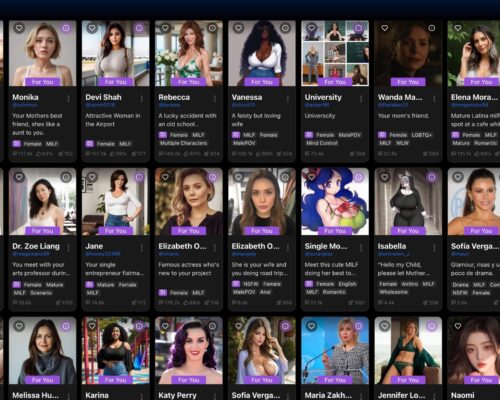
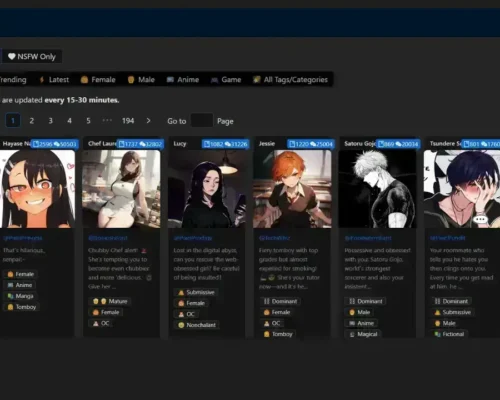
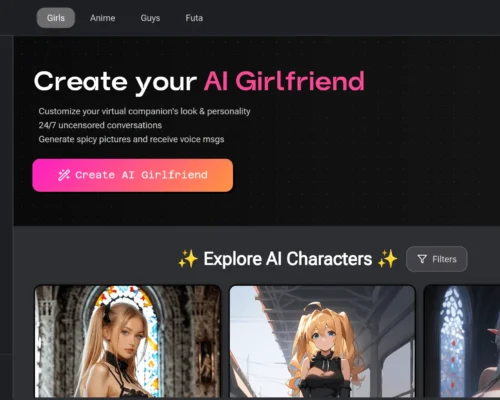
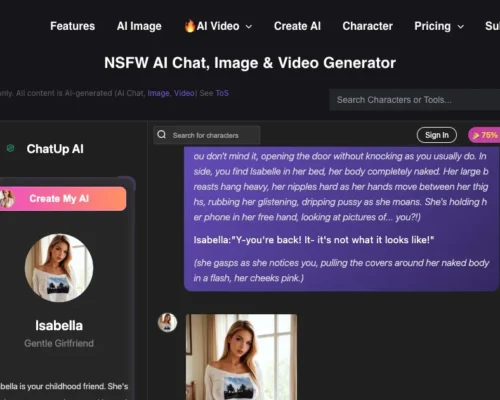
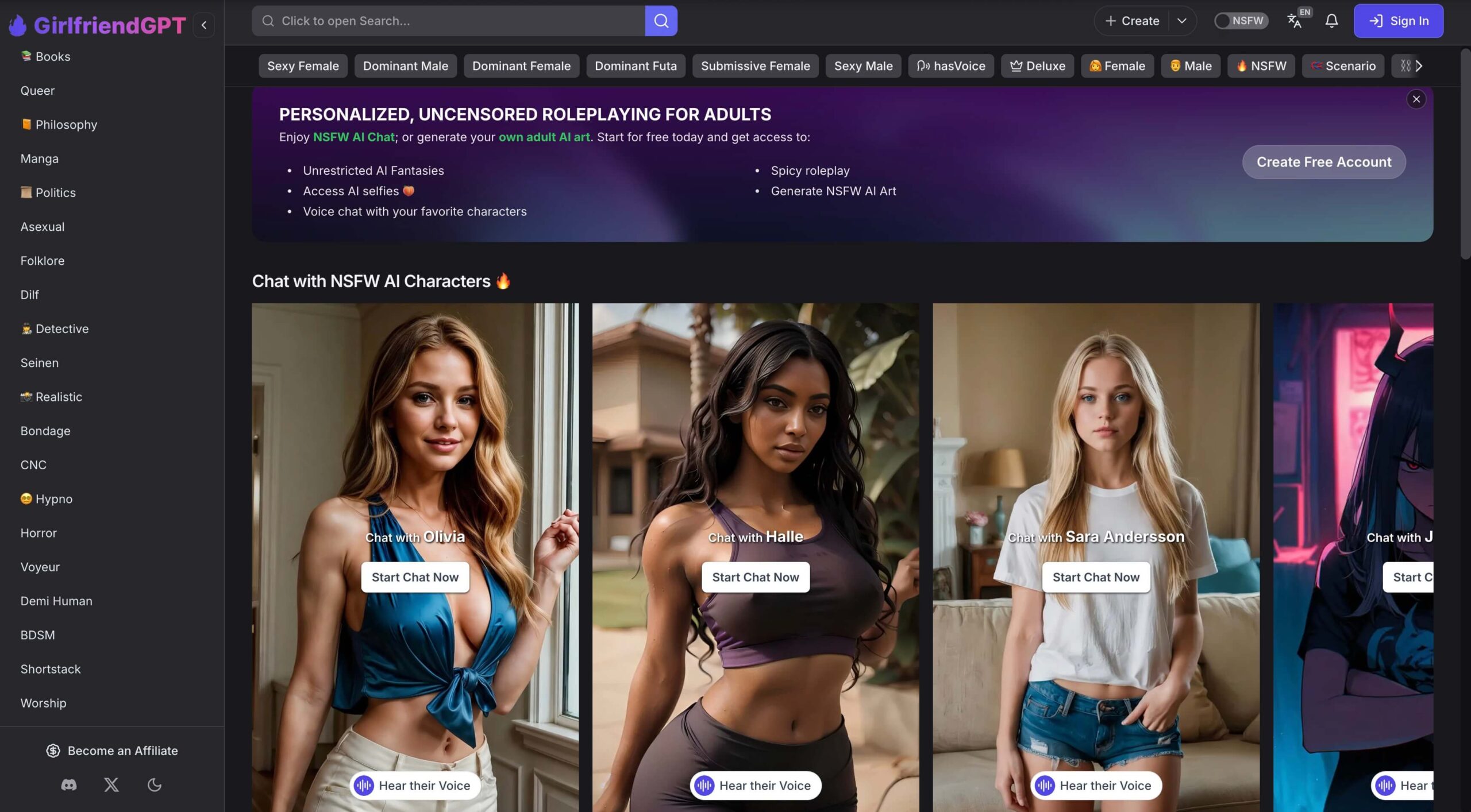
When you first arrive, you can either pick from existing characters or start from scratch. The prebuilt options are useful as entry points: they already have a tone, a bit of backstory, and a clear personality. But the real appeal shows up once you start customizing. You can tweak how a character talks, how they react, what they focus on, and what kind of dynamic you want to explore. Small changes actually make a noticeable difference, which makes the process feel less cosmetic and more meaningful.
The image generator adds another layer. Being able to give a character a face — whether realistic, stylized, or anime-inspired — makes the interaction feel more grounded. It’s optional, but once you use it, it’s hard to go back to text alone. It turns the experience into something closer to building a persona than just chatting with a bot.
Conversations themselves are smooth and flexible. You can keep things light and casual, lean into storytelling, or slowly develop longer-running scenarios. It doesn’t feel like the platform is pushing you in a specific direction. You’re free to explore at your own pace.
GPTGirlfriend isn’t trying to be dramatic or revolutionary. It’s calm, adaptable, and clearly built for people who enjoy shaping characters over time. If you like experimenting with personalities, visuals, and ongoing dialogue, it offers enough freedom to feel genuinely personal rather than prepackaged.